
Introduction to Live Gambling
Live gambling has transformed the online gaming landscape by bringing the authentic casino experience directly to players’ screens. Unlike traditional digital games that rely on automated systems, live gambling features real dealers, real-time gameplay, and interactive environments that closely replicate physical casinos. This unique combination of technology and human interaction creates a more engaging and immersive experience for players around the world.
The appeal of live gambling lies in its realism and immediacy. Players can watch cards being dealt, wheels spinning, and outcomes unfolding in real time, which builds trust and excitement. The addition of chat features allows users to interact with dealers and other participants, making the experience feel social rather than isolated. This level of engagement has made live gambling one of the fastest-growing segments in the online entertainment industry.
However, beyond its entertainment value, live gambling also introduces important psychological and financial considerations. The thrill of real-time interaction can influence decision-making, while the ease of access can lead to extended play sessions. Understanding how live gambling works—and the factors that drive its popularity—is essential for anyone looking to explore this dynamic and evolving form of gaming responsibly.
How Live Gambling Works
Live gambling operates through a combination of advanced streaming technology and real-time human interaction. At the heart of this system are professional studios or physical casino floors where trained dealers manage games such as blackjack, roulette, baccarat, and poker. These games are broadcast live using high-definition cameras, allowing players to observe every action as it happens.
When a player joins a live gambling table, they are connected to a video feed where the dealer is already running the game. The interface typically includes betting options, game statistics, and a chat feature. Players place their bets digitally within a limited time window, and once betting closes, the dealer proceeds with the game. The results are then instantly updated on the player’s screen, ensuring a seamless and synchronized experience.
One of the key components behind live gambling is optical character recognition (OCR) technology. This system reads physical game outcomes—such as cards dealt or roulette numbers—and converts them into digital data. This ensures accuracy and fairness while maintaining the authenticity of a real-world setup. Players can trust that what they see on screen directly corresponds to the actual game being played.
Another important aspect is the role of game control units (GCUs). These devices act as a bridge between the live video feed and the gaming software. They encode and transmit data in real time, ensuring that all players receive consistent and synchronized information regardless of their location.
Live gambling platforms also focus heavily on user experience. Multiple camera angles, slow-motion replays, and detailed statistics enhance transparency and engagement. Some tables even allow players to choose their preferred dealers or switch between different tables instantly, adding a layer of personalization.
Security and fairness are maintained through strict regulations and monitoring systems. Reputable platforms operate under licensed authorities and use encrypted connections to protect user data. Dealers are trained professionals who follow standardized procedures, and games are often audited by independent agencies to ensure compliance with fairness standards.
Overall, live gambling works by merging real-world casino operations with digital accessibility. This blend of technology and human interaction creates a dynamic environment where players can enjoy the excitement of a casino without leaving their homes, while still experiencing the authenticity of live gameplay.
The Psychology Behind Live Gambling
Live gambling is not just about games of chance—it is deeply rooted in human psychology. The real-time interaction, visual stimulation, and social environment all combine to influence how players think, feel, and make decisions. Understanding these psychological factors helps explain why live gambling can be so engaging and, at times, difficult to step away from.
One of the most powerful elements is the illusion of control. In live gambling, players often feel that their choices—such as when to place a bet or which table to join—can influence outcomes. Seeing a real dealer and participating in a live setting makes the experience feel more skill-based than it actually is. However, the probabilities remain unchanged, and outcomes are still largely governed by chance.
Another key factor is instant gratification. Live gambling provides immediate results, which triggers the brain’s reward system. Wins, even small ones, release dopamine—a chemical associated with pleasure and motivation. This creates a cycle where players are encouraged to keep playing in pursuit of that rewarding feeling. Over time, this can lead to repetitive behavior patterns.
Social interaction also plays a significant role. Unlike traditional online games, live gambling allows players to communicate with dealers and sometimes other participants. This creates a sense of community and shared experience. Watching others win can increase excitement and confidence, while seeing losses may push some players to take risks in an attempt to recover or outperform others.
The concept of near misses further strengthens engagement. For example, when a roulette ball lands close to a chosen number or a card game almost results in a win, players feel as though success was just within reach. Psychologically, near misses can be nearly as motivating as actual wins, encouraging continued play.
Emotions heavily influence decision-making in live gambling. Winning can lead to overconfidence, prompting players to increase their bets. Losing, on the other hand, can result in frustration or the urge to chase losses. These emotional swings can override logical thinking, making it harder to stick to planned limits or strategies.
Another important aspect is time distortion. Because live gambling is immersive and continuous, players may lose track of time. The absence of physical cues—like leaving a casino or taking breaks—makes it easier to play for extended periods without realizing how much time or money has been spent.
Cognitive biases also come into play. The gambler’s fallacy, for instance, leads players to believe that past outcomes influence future results—such as expecting a win after a series of losses. Similarly, confirmation bias may cause players to focus on wins while ignoring losses, reinforcing the belief that they are performing better than they actually are.
Ultimately, the psychology behind live gambling is what makes it both exciting and potentially risky. The combination of real-time interaction, emotional engagement, and cognitive biases creates a powerful experience that can influence behavior in subtle but significant ways. Recognizing these psychological elements is a crucial step toward maintaining control and making informed decisions while participating in live gambling.
Risks and Challenges of Live Gambling
While live gambling offers excitement and realism, it also comes with a range of risks that players should carefully consider. The immersive nature of real-time gameplay, combined with easy accessibility, can make it more challenging to maintain control compared to traditional forms of gambling.
One of the primary risks is financial loss. Every live gambling game is designed with a built-in house edge, meaning the odds are always slightly in favor of the operator. While short-term wins are possible, consistent long-term profits are unlikely. Players who do not set clear spending limits may find themselves losing more money than intended.
Another major challenge is chasing losses. After experiencing a loss, some players feel compelled to continue playing in an attempt to recover their money. This behavior often leads to even greater losses, as decisions become driven by emotion rather than logic. The fast pace of live gambling makes it easier for this cycle to escalate quickly.
Addictive behavior is also a concern. The combination of real-time interaction, social engagement, and instant rewards can make live gambling highly habit-forming. Players may begin to prioritize gambling over other responsibilities, leading to negative impacts on personal, financial, and professional aspects of life.
The issue of time management cannot be overlooked. Live gambling sessions can extend for long periods, especially since there are no physical interruptions like those in a traditional casino. Players may lose track of time, spending hours playing without realizing it, which can contribute to both financial and mental strain.
Another risk involves emotional instability. The highs of winning and the lows of losing can create intense emotional fluctuations. Over time, this can lead to stress, anxiety, or frustration. In some cases, players may use gambling as a way to cope with negative emotions, which can worsen the situation.
False confidence is another challenge. A few wins can give players the impression that they have developed a successful strategy or skill, even when outcomes are largely based on chance. This overconfidence may encourage higher bets and increased risk-taking, often resulting in significant losses.
There is also the concern of platform reliability and trust. While many live gambling platforms are regulated and fair, not all operators maintain the same standards. Choosing unreliable or unlicensed platforms can expose players to unfair practices, delayed payouts, or data security issues.
Additionally, peer influence can impact decision-making. Seeing other players win or place large bets may encourage individuals to take similar risks. This social pressure can lead to impulsive decisions that do not align with a player’s financial limits or intentions.
Despite these challenges, awareness is the first step toward prevention. Understanding the risks associated with live gambling allows players to approach it with caution and responsibility. Setting limits, taking breaks, and maintaining a clear perspective on the purpose of gambling—as entertainment rather than income—can help reduce potential negative outcomes.
Responsible Live Gambling Practices
Engaging in live gambling can be enjoyable when approached with the right mindset and discipline. Responsible gambling is not about avoiding the activity entirely, but about maintaining control, setting boundaries, and ensuring that the experience remains a form of entertainment rather than a source of stress or harm.
One of the most important practices is setting a clear budget. Before starting any session, players should decide how much money they are willing to spend—and potentially lose—without affecting their financial stability. This amount should be treated as the cost of entertainment, not as an investment or a way to generate income. Once the limit is reached, it is essential to stop playing, regardless of the outcome.
Time management is equally important. Players should allocate a specific amount of time for gambling and stick to it. Taking regular breaks helps maintain perspective and prevents fatigue, which can lead to poor decision-making. Setting alarms or reminders can be a practical way to ensure that sessions do not extend beyond intended limits.
Another key strategy is avoiding emotional decision-making. Gambling should never be used as a way to cope with stress, boredom, or negative emotions. Playing while feeling frustrated or overly excited can lead to impulsive bets and unnecessary risks. Staying calm and focused helps maintain better control over actions.
Using built-in platform tools can also support responsible behavior. Many live gambling platforms offer features such as deposit limits, loss limits, and self-exclusion options. These tools are designed to help players regulate their activity and prevent excessive spending. Taking advantage of these features can add an extra layer of protection.
It is also important to recognize warning signs of problematic behavior. These may include spending more money than planned, neglecting responsibilities, hiding gambling activity, or feeling anxious about losses. Identifying these signs early allows players to take corrective action before the situation escalates.
Maintaining a healthy balance between gambling and other aspects of life is crucial. Live gambling should not interfere with work, relationships, or personal well-being. Engaging in other hobbies and activities can help create a more balanced lifestyle and reduce reliance on gambling for entertainment.
Another useful approach is keeping expectations realistic. Understanding that losses are a natural part of gambling helps prevent disappointment and frustration. Players should avoid the mindset of trying to “beat the system” or relying on strategies that promise guaranteed success.
Seeking support when needed is also an important part of responsible gambling. If a player feels that their behavior is becoming difficult to control, reaching out to support groups, counselors, or helplines can provide guidance and assistance. There is no harm in asking for help, and early intervention can make a significant difference.
Ultimately, responsible live gambling is about awareness and self-control. By setting limits, staying mindful of behavior, and prioritizing well-being, players can enjoy the excitement of live gambling while minimizing potential risks.
The Future of Live Gambling
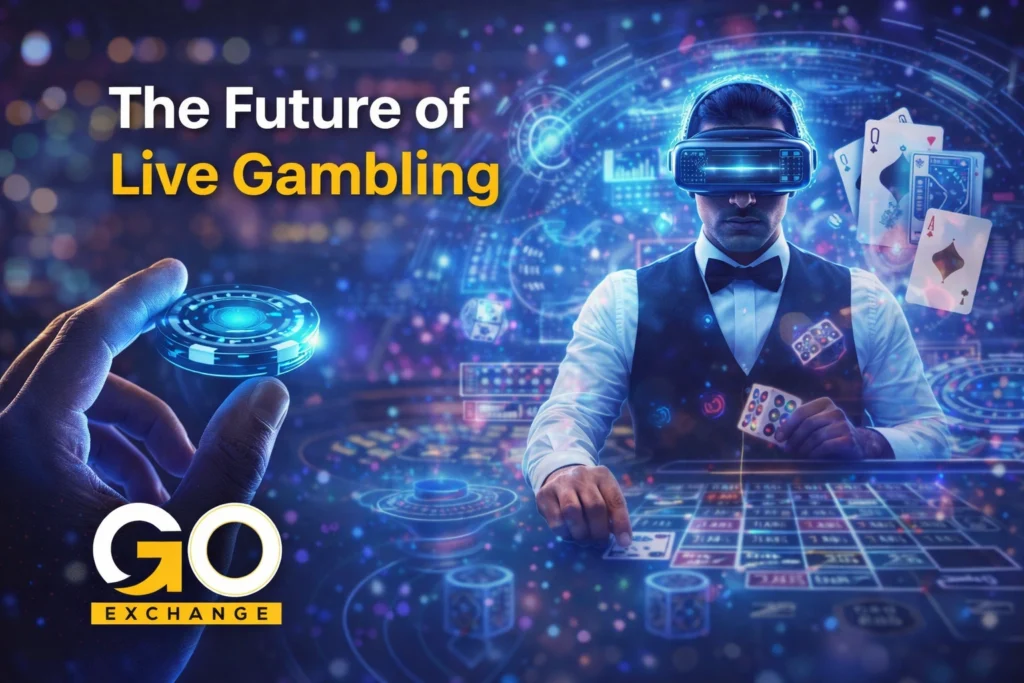
Live gambling continues to evolve rapidly, driven by advancements in technology and changing player expectations. What started as a simple live-streamed casino experience has now become a sophisticated, interactive ecosystem—and the future promises even more innovation and immersion.
One of the most anticipated developments is the integration of virtual reality (VR) and augmented reality (AR). These technologies have the potential to transform live gambling into a fully immersive environment where players can “walk” through virtual casinos, sit at tables, and interact with dealers and other players in a 3D space. This would blur the line between physical and digital gambling, creating an experience that feels almost indistinguishable from being in a real casino.
Another major trend is the use of artificial intelligence (AI) to enhance personalization. AI can analyze player behavior, preferences, and patterns to offer tailored game recommendations, customized interfaces, and even adaptive betting environments. This level of personalization can make the experience more engaging, but it also raises questions about ethical use and player protection.
Mobile optimization will continue to play a crucial role in the growth of live gambling. As smartphones become more powerful and internet connectivity improves, more players are choosing to gamble on mobile devices. Future platforms are likely to focus on smoother interfaces, faster streaming, and enhanced controls designed specifically for smaller screens.
The rise of interactive game shows is another exciting development. These formats combine elements of traditional gambling with entertainment, featuring hosts, bonus rounds, and audience participation. They appeal to a broader audience by making gambling feel more like a game show than a purely risk-based activity.
Blockchain technology is also beginning to influence the industry. By providing transparent and secure transaction systems, blockchain can increase trust among players. It allows for verifiable fairness, faster payments, and reduced reliance on intermediaries. While still in its early stages, this technology could reshape how live gambling platforms operate.
Regulation will remain a key factor in shaping the future. As live gambling expands globally, governments and regulatory bodies will need to establish clear guidelines to ensure fairness, security, and responsible practices. Stricter regulations may lead to safer environments for players, but they could also impact how platforms operate and innovate.
Another important aspect is the growing emphasis on responsible gambling technologies. Future platforms are likely to include more advanced tools for monitoring player behavior, identifying risky patterns, and providing real-time interventions. These systems could help prevent problem gambling by offering timely warnings or restricting access when necessary.
Social features are also expected to become more advanced. Enhanced chat systems, multiplayer modes, and community-driven events can make live gambling even more interactive. Players may be able to form groups, compete in tournaments, or participate in shared experiences that go beyond individual gameplay.
Despite these advancements, the core nature of live gambling will remain unchanged—it is still based on chance and risk. While technology can improve the experience, it cannot eliminate the inherent uncertainties involved. As the industry grows, balancing innovation with responsibility will be essential.
In the coming years, live gambling is likely to become more immersive, accessible, and personalized than ever before. For players, this means more engaging experiences—but also a greater need for awareness and self-control. Understanding how the industry is evolving can help individuals navigate this space more responsibly and make informed choices about their participation.
Conclusion: Navigating Live Gambling with Awareness
Live gambling has redefined the online gaming experience by combining real-time interaction, advanced technology, and immersive environments. From understanding how it works to exploring the psychological factors behind it, one thing remains clear—this form of entertainment is as engaging as it is complex. The thrill of live dealers, social interaction, and instant results makes it highly appealing, but it also introduces risks that cannot be ignored.
As discussed, players must be mindful of financial limits, emotional influences, and behavioral patterns. The illusion of control, the excitement of wins, and the pressure to recover losses can all impact decision-making. This is why responsible gambling practices—such as setting budgets, managing time, and recognizing warning signs—are essential for maintaining a healthy balance.
With the industry continuing to grow, platforms like goexch9 are part of the expanding digital ecosystem offering live gambling experiences. However, regardless of the platform used, the responsibility ultimately lies with the player to approach gambling with discipline and realistic expectations.
Looking ahead, innovations like virtual reality, AI-driven personalization, and enhanced social features will continue to shape the future of live gambling. These advancements will make the experience more immersive, but they will also require greater awareness from users to stay in control.
In the end, live gambling should always be treated as a form of entertainment—not a source of income. By staying informed, setting clear boundaries, and maintaining self-control, players can enjoy the excitement it offers while minimizing potential risks.
Frequently Asked Questions (FAQs) About Live Gambling
1. What is live gambling?
Live gambling is an online gaming format where real dealers host casino games in real time through video streaming. Players can watch the action live, place bets, and interact with dealers, creating an experience similar to a physical casino.
2. How is live gambling different from regular online gambling?
The main difference is the human element. In live gambling, real dealers manage the games instead of automated software. This adds authenticity, transparency, and a more interactive experience compared to traditional online casino games.
3. Is live gambling fair?
Yes, live gambling can be fair if you use licensed and regulated platforms. Games are monitored, and technologies like optical recognition ensure accurate results. However, players should always choose trusted platforms to avoid risks.
4. Can you win consistently in live gambling?
While short-term wins are possible, consistent long-term profits are unlikely due to the built-in house edge. Live gambling should be viewed as entertainment rather than a reliable way to make money.
5. What are the most popular live gambling games?
Some of the most popular games include live blackjack, roulette, baccarat, and poker. Many platforms also offer live game shows and interactive formats for added entertainment.
6. Is live gambling safe to play?
Live gambling is generally safe on secure and licensed platforms that use encryption and follow regulatory standards. Players should avoid unverified sites and always protect their personal and financial information.
7. How can I control my spending while gambling?
You can manage spending by setting a fixed budget, using deposit limits, and avoiding chasing losses. It’s important to only gamble with money you can afford to lose.
8. What is the illusion of control in gambling?
It refers to the belief that a player can influence the outcome of a game, even when results are based on chance. This feeling is common in live gambling due to real-time interaction with dealers.
9. Can live gambling become addictive?
Yes, like any form of gambling, it can become addictive if not managed properly. The fast pace and real-time engagement can make it harder to stop, so practicing responsible gambling is essential.
10. What should I do if I feel my gambling is becoming a problem?
If you notice signs like overspending, stress, or loss of control, it’s important to take a break and seek help. Many platforms offer self-exclusion tools, and professional support services are also available.